Which Sunscreen Is Best for Sensitive Skin? Texture, Mineral vs. Chemical, and Reapplication Explained
content detail

At a Glance
Sensitive skin is more vulnerable to UV exposure due to a weakened skin barrier, making sunscreen selection and application especially important. Beyond SPF, choosing a sunscreen with skin‑barrier‑supporting ingredients, a lightweight and comfortable texture, and low‑irritation testing can help reduce discomfort while maintaining protection. Consistent reapplication—especially during outdoor activities—and proper application techniques are key to effective year‑round sun care, even in spring.
Key Takeaways
✔ Sensitive skin is more prone to UV damage due to a weakened skin barrier.
✔ In addition to SPF, look for sunscreens with barrier‑supporting ingredients and low‑irritation formulas.
✔ Reapply sunscreen every two hours during prolonged outdoor exposure, even over makeup.
✔ UV protection is essential year‑round, including spring.
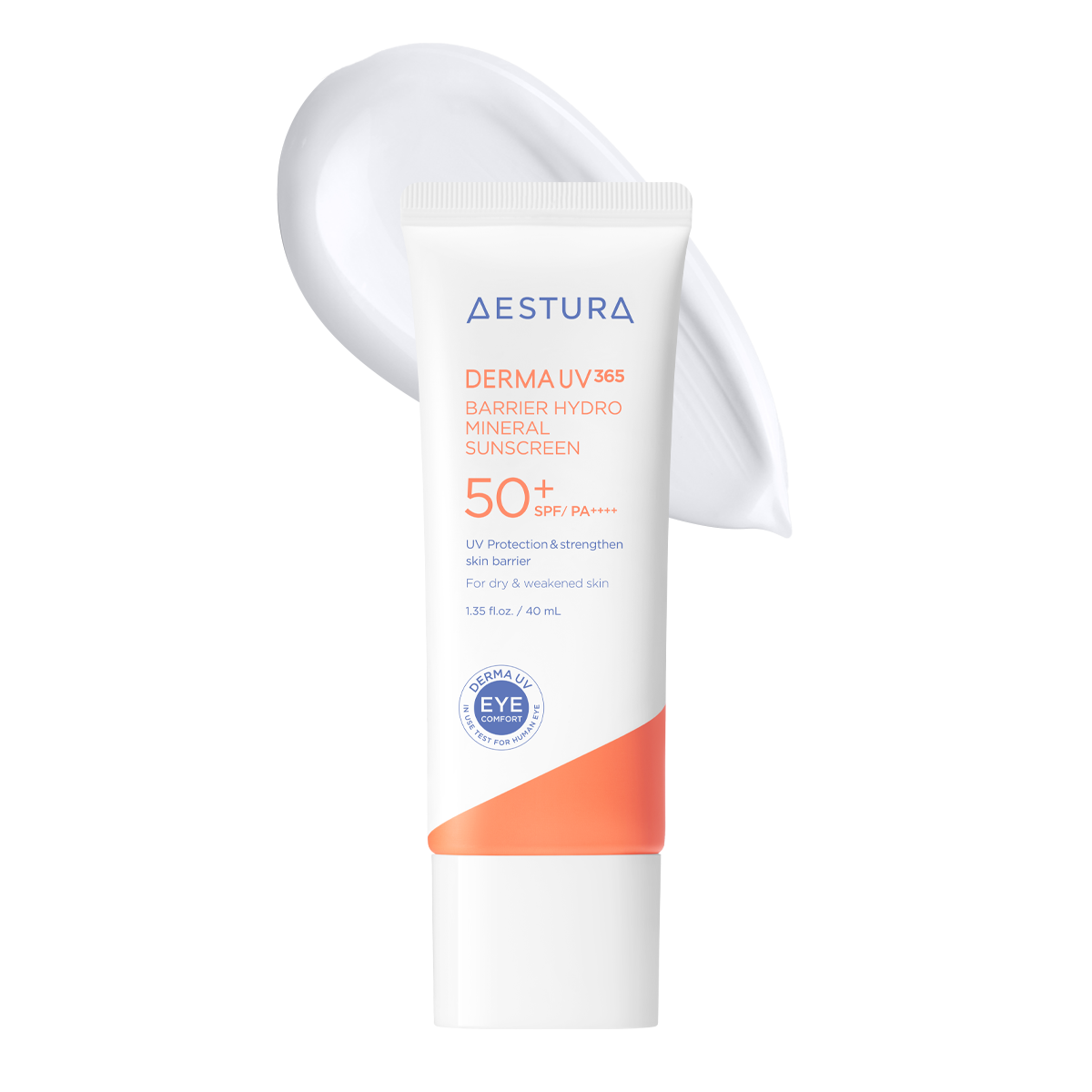
✔ Smooth, lightweight mineral sunscreens can suit both sensitive and dry skin when applied properly.
Q. I’m interested in sun care options suitable for sensitive skin. I know that higher SPF offers better protection, but if durability and texture are also important, what should I look for when choosing a sunscreen? Also, how often should sunscreen be reapplied on days with a lot of outdoor activities?
A. Sensitive skin often has a weakened skin barrier, which makes it more vulnerable to UV exposure. To help protect the skin while reinforcing the barrier, it is recommended to choose a sunscreen that contains barrier-supporting ingredients such as ceramides.
For sensitive skin, a sunscreen with a lightweight, refreshing, and moisturizing texture that spreads smoothly like a lotion is generally more comfortable and less irritating. To minimize potential reactions, it is also a good idea to patch-test the product on the back of your hand before applying it to your face. Since frequent reapplication can be stressful for sensitive skin, selecting a sunscreen with reliable durability that has been tested for low irritation can also help reduce discomfort over time.
On days with extended outdoor activity, reapplying sunscreen every two hours is ideal to help maintain effective sun protection.
Q. Aren’t UV rays in spring almost as strong as they are in summer? I’m also curious about how to prevent pilling and flaking when using mineral sunscreen.
A. Although UV intensity in spring is generally lower than in summer, skin can actually be more sensitive to UV exposure after winter, as it has been less exposed to sunlight for an extended period. For this reason, proper UV protection remains important even in spring.
To address issues such as pilling or flaking, it is recommended to choose a mineral sunscreen with a smooth, easy‑to‑apply texture that improves upon the stiff feel commonly associated with traditional mineral sunscreens. Proper application is also essential to ensure effective UV protection. When applying sunscreen, gently press it onto the skin from the center of the face outward to help it absorb evenly. Pay special attention to areas around the nose by lightly patting the product to prevent buildup and pore congestion.
Q. I’ve heard that sunscreen remains effective for a certain period after application. But what should I do if I’ve already applied makeup and need to reapply sunscreen while I’m outside?
A. Even if you already have makeup on, reapplying sunscreen is still important to maintain effective sun protection. To make reapplication easier throughout the day, consider carrying a tone‑up sunscreen that can be gently layered over makeup. This type of sunscreen helps preserve the natural tone and radiance of your makeup while providing additional UV protection.
Q. I’ve heard that people with sensitive skin often choose mineral sunscreens to avoid eye irritation, while those with dry skin are advised to use chemical sunscreens. As someone with both sensitive and dry skin, I always struggle to choose the right sunscreen. What would you recommend?
A. If you have both sensitive and dry skin, a moisturizing yet refreshing mineral sunscreen can be a good option. Many newer mineral sunscreens have improved significantly compared to traditional formulas, offering a softer texture that helps reduce the stiff or dry feeling often associated with mineral sunscreens. This makes them more comfortable for dry skin, while also being gentle enough for sensitive skin.
For added peace of mind—especially if you are concerned about eye irritation—it is advisable to choose a product that has undergone human eye irritation testing. This can help ensure a more comfortable experience and allow you to use sunscreen with greater confidence.